
Chat with Ava - Your AI Business Consultant

Hi I'm Ava, your AI guide to supercharging your business!
Whether you're already running a business or dreaming of starting one, I'm here to help turn your vision into reality using AI powered freelancers. Share your business goals, and together, we'll create a project that our talented freelancers can bid on. Let's make your vision a reality!
I have a business
I'm starting a business
Something went wrong while sending the conversation to your email. Please try again later.
You can only save your conversation once per hour. Please try again later.
Your conversation is too short. Keep chatting with Ava to enable saving.

Hire expert
Windows Developers
for any job
Millions of people use Freelancer.com to turn their ideas into reality.
Trusted by leading brands and startups


Hire Windows Developers


$25 per hour

$150 per hour

$60 per hour

$70 per hour
Clients rate our Windows Developers
4.89 out of 5
from 139,153 reviews
How to hire a great freelance Windows Developer
Are you a PC user? Then it is more than likely that you use the world’s favourite desktop operating system Microsoft Windows. Windows has been the most used software that has powers personal computers today, and despite facing stiff competition from other operating systems like OS X and LINUX, its popularity keeps growing with every new Windows version that comes out.
While we are using Windows, often we forget the complex technology that runs under its hood. What we get to see is the user interface. However, if you want to use it for specific tasks or want to install some application software on it, often it requires configuration in a specific way, and also the installation of additional components.
Apart from this, like every software, Windows is known to malfunction once in a while, resulting in the computer becoming unstable and in some cases unusable too. This can sometimes result in loss of critical data.
If you are not a technical expert, trying to solve these problems on your own can often give rise to further problems. We know what you're thinking - too easy! you've been using windows all your life, and what you don't know you can just google. Wrong! Instead of doing any good, trying out various solutions will further complicate the situation and make recovery options very costly.
Leave out these worries to the experts who know how to best handle these situations. Hire a freelance windows experts at a reasonable cost to do the job.
Wondering where to get these freelancers?
The answer is short and sweet – Freelancer.com. Freelancer.com is the largest online portal which brings together employers and freelancers from across the world. Out of the 19 million users, many are windows experts who will happily render their services for you.
Hiring freelancers on Freelancer.com is as easy as 1-2-3! All you have to do is to post a project (it's free) specifying your exact requirements. Almost immediately, freelancers will start bidding on your project stating their competitive price. Soon, you will have a huge list of freelancers who not only have the required skill set but are eager to work for you. You can view the freelancer’s profiles and interact with them to make the best decision and hire the best freelancer for you. Only choose a freelancer when you're fully satisfied or comfortable with the quality of work that they've previously done. Feel free to browse through as many freelancers as you want till you are happy with the one you hire.
There's more! You're in total control. You can negotiate your own payment terms with the freelancer and release a payment only when you're 100% satisfied. Don't wait for tomorrow, get started today!
Post a project for FREE, and find the perfect freelancer for your next Windows project!

Freelancer Enterprise
Company budget? Get more done for less
Use our workforce of 50 million to help your business achieve more.

Freelancer API
50 million professionals on demand
Why hire people when you can simply integrate our talented cloud workforce instead?
How hiring a Windows Developer works

1. Post a job

2. Choose freelancers

3. Track progress

4. Pay safely
So what are you waiting for?
Post a project today and get bids from talented freelancers
Showcased work from our freelancers
Get some inspiration from Windows Desktop projects

Discover More
Website Design.
$540 USD in 7 days.
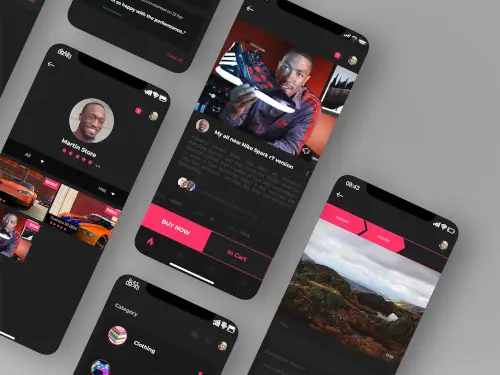
Discover More
App Design.
$100 USD in 1 day.

Discover More
Website.
$430 USD in 1 day.
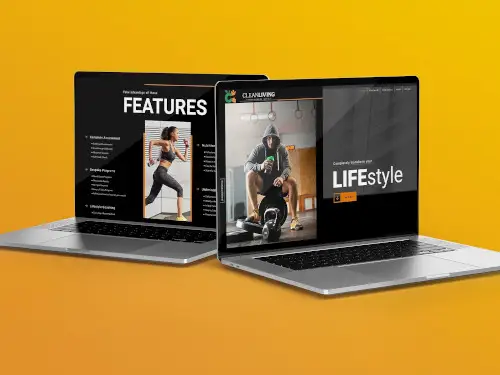
Discover More
Website Design.
$140 USD in 13 days.
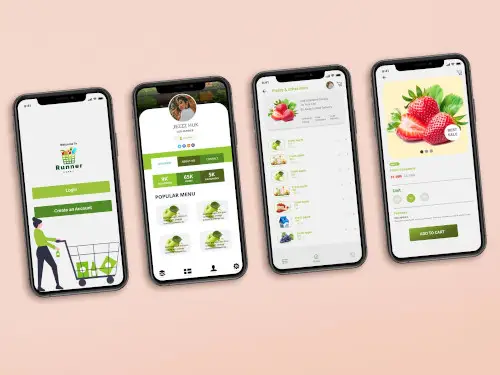
Discover More
App Design.
$200 USD in 19 days.
Discover More
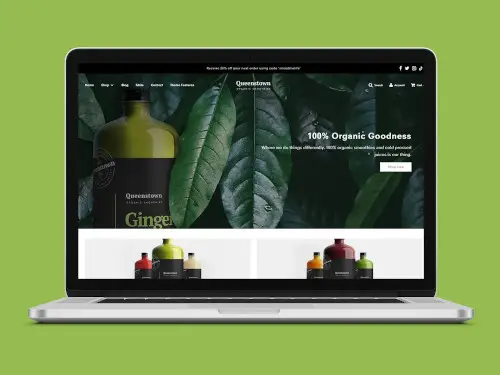
Website.
$150 USD in 13 days.
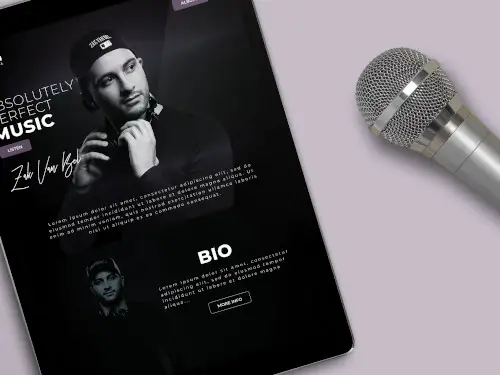
Discover More
Website.
$240 USD in 1 day.
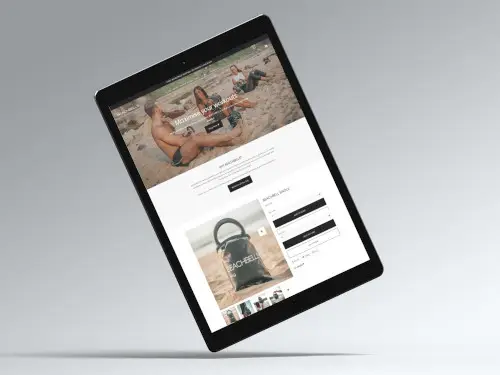
Discover More
Website.
$100 USD in 1 day.
As featured in


The world's largest marketplace
Millions of users, from small businesses to large enterprises, entrepreneurs to startups, use Freelancer to turn their ideas into reality.
73.1M
73.1M
Registered Users
23.7M
23.7M
Total Jobs Posted
Looking for freelancers for other types of work?
Thanks! We’ve emailed you a link to claim your free credit.
Something went wrong while sending your email. Please try again.



Copy to clipboard failed, please try again after adjusting your permissions.
Copied to clipboard.
Loading preview
Permission granted for Geolocation.
Your login session has expired and you have been logged out. Please log in again.